Easy Crochet Monstera Plant: Free Beginner Pattern
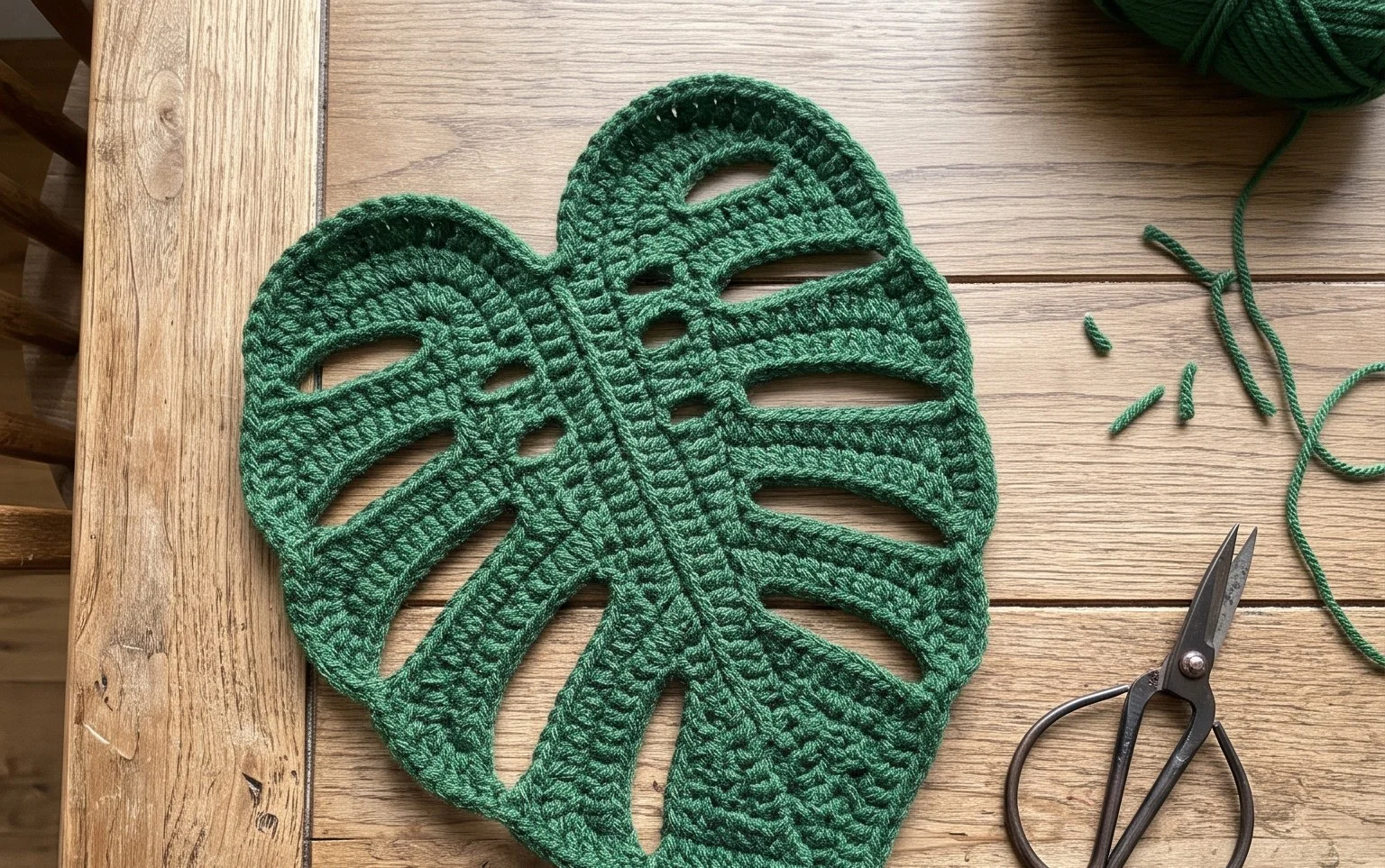
Deep green yarn shaped into wide, split leaves brings a bit of nature indoors without any of the maintenance required for real foliage. These soft, stuffed sculptures add a touch of personality to a bookshelf or desk, offering a sturdy construction that holds its shape long after you finish the last stitch. Working on these requires only basic knowledge of increasing and decreasing, making the process straightforward even if you are just starting out. You will learn how to create the iconic silhouette of a tropical leaf through simple shaping techniques, ensuring a clean edge every time you work.
Why You’ll Love This Pattern
This crochet project produces a classic, functional cotton washcloth that utilizes a combination of basic stitches to create a dense, textured fabric perfect for scrubbing. Because it relies on the thermal stitch—a technique that involves working into the third loop of a stitch—the final piece is thicker and more absorbent than a standard single crochet square. The construction is entirely flat, making it an ideal choice for practicing consistent tension and square shaping. You will find that the rhythm of the repeating rows allows for a meditative crafting session, and the finished cloth serves as a durable household item that holds up well through frequent laundry cycles.
I finally finished my first set of these washcloths and the texture is exactly what I needed for cleaning. The instructions were easy to follow and it only took me two evenings to finish three of them.
— Sarah, home crafter
Pattern Overview & Skill Level
- Skill Level: Beginner
- Approximate Time: 1 to 1.5 hours per cloth
- Construction: Worked in rows with a turning chain, using back-and-forth tension.
- Finished Dimensions: 8 inches by 8 inches square.
Materials & Supplies Needed
- Yarn: Worsted weight (#4) 100% cotton yarn, approximately 75 yards per cloth. Cotton is preferred for its high absorbency and heat resistance.
- Hook Size: 5.0 mm (US H-8) crochet hook.
- Notions: Tapestry needle for weaving in ends, scissors, and an optional stitch marker to help keep row edges straight.
- Safe Yarn Substitutions: You may use a cotton-acrylic blend, though this will slightly reduce the absorbency of the cloth. Avoid wool or synthetic fibers like acrylic that do not absorb water well.
Stitch Guide & Abbreviations (US Terms)
- ch = chain
- st = stitch
- sc = single crochet
- hdc = half double crochet
- BLO = back loop only (working into the loop furthest from you)
- sl st = slip stitch
- Turning ch = the chain made at the start of a row to reach the height of the next row.
Step-by-Step Pattern Instructions
Main Cloth Body
- Row 1: Chain 28. Working into the second chain from the hook, hdc in each chain across. Turn. (27 sts)
- Row 2: Ch 1, hdc in the BLO of each st across. Turn. (27 sts)
- Rows 3-24: Repeat Row 2. Ensure that you are counting your stitches at the end of every row to maintain a perfect square shape. (27 sts)
- Final Row: Once the piece measures 8 inches long, do not fasten off.
Border and Finishing
- Border: Ch 1, work 1 round of sc evenly around the entire perimeter of the square. Work 3 sc into each corner stitch to allow the work to lay flat.
- Joining: Join with a sl st to the first sc of the border. Fasten off and cut the yarn.
- Finishing: Use the tapestry needle to weave the starting and ending tails back into the body of the cloth to ensure they do not come undone in the washing machine.
Care & Washing Instructions
- Machine wash in warm water on a gentle cycle to preserve the fiber integrity.
- Lay the cloth flat on a clean towel to air dry, reshaping it with your hands if it curled during washing.
- Avoid using fabric softener, as it leaves a residue that decreases the absorbency of the cotton fibers.
Pro Tips & Common Mistakes to Avoid
Maintain consistent tension throughout the project; if your chains are too tight, the starting edge will be shorter than the rest of the cloth. Use a stitch marker in the first stitch of every row to ensure you do not accidentally skip the final stitch, which is a common error that leads to a trapezoid shape instead of a square. When weaving in your ends, run the needle through at least three different directions within the stitches to lock the yarn in place securely. If you wish to adjust the size, add or subtract chains in multiples of two; remember that increasing the width or length will require an additional 10 to 15 yards of yarn per cloth.
Frequently Asked Questions
Can I use a larger hook for this pattern?
Yes, you can use a 5.5 mm hook to create a looser, airier fabric. Note that this will increase the finished dimensions and require slightly more yarn to complete.
Is this pattern suitable for someone who has never crocheted before?
Yes, this is an ideal beginner project. It focuses on the half double crochet stitch and requires only basic counting and turning techniques.
Am I allowed to sell the washcloths I make from this pattern?
You are welcome to sell finished items created from this pattern. Please credit the design to this tutorial whenever possible.
Why does my square look uneven at the edges?
This usually happens because the last stitch of the row was missed or the turning chain was counted incorrectly. Always count your stitches at the end of every row to ensure you have 27 total.
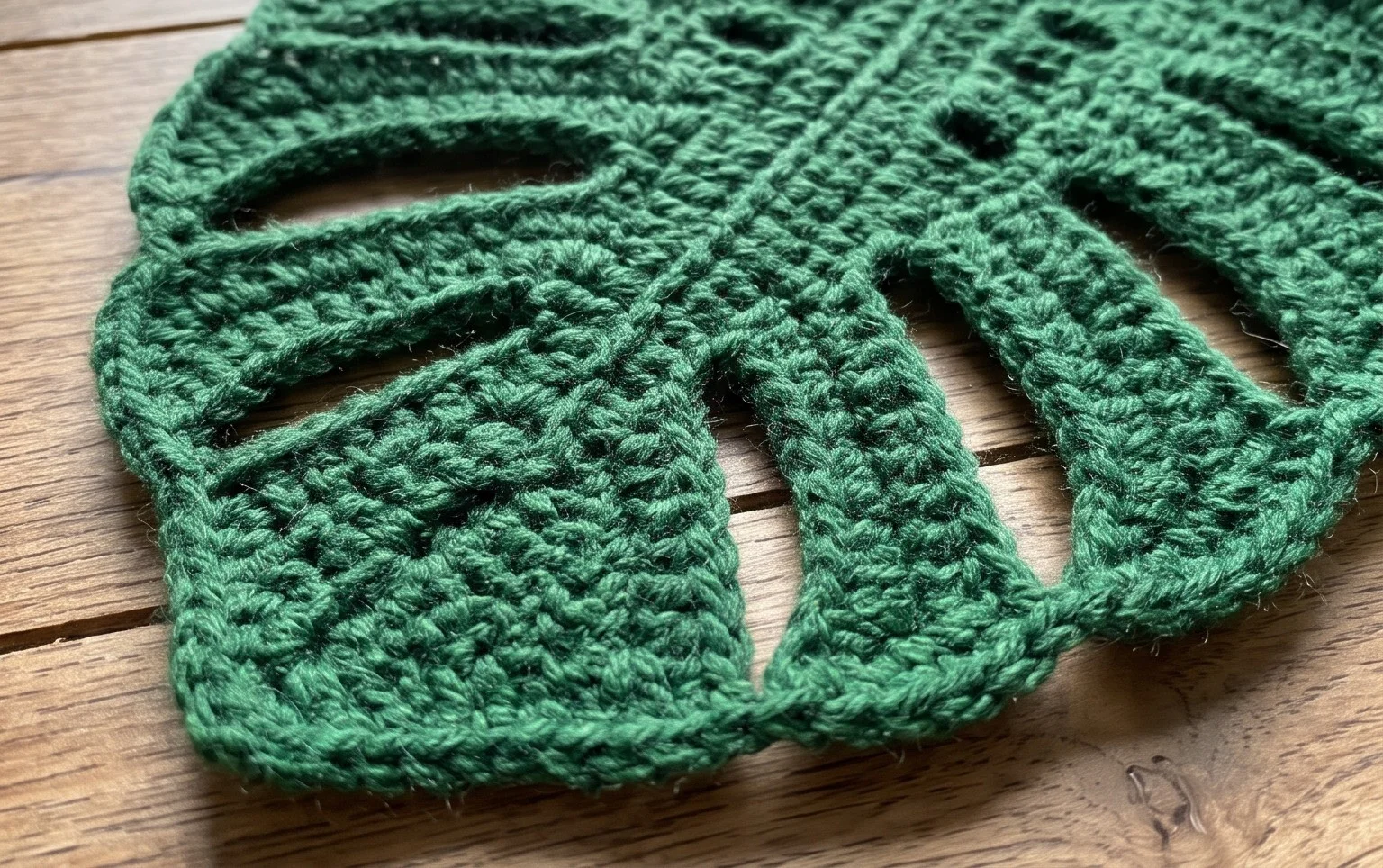
Watching your own greenery take shape on your hook is deeply satisfying, especially when you realize it stays lush all year long. Try using a variegated green yarn if you want to add depth and natural shading to the leaves, or make a smaller version to use as a unique coaster set. Share a photo of your finished plant online to show off how it looks in your home workspace. You can find more free patterns like this by browsing through the archives on our main blog page.