Easy Crochet Pattern for Blankets and Home Essentials
Soft cotton yarn forms a dense, reliable fabric that feels substantial in your hands while you work through the rows. This design suits anyone who wants to stock their home with functional handmade goods or needs a quick gift for a housewarming. You will master the basic single and double crochet stitches, which provide a rhythmic pace that turns simple string into a useful household tool. Learning this fundamental technique gives you the building blocks for bigger projects like blankets or shawls. Focusing on consistent tension turns this basic piece into a polished addition to your sink area.
Why You’ll Love This Pattern
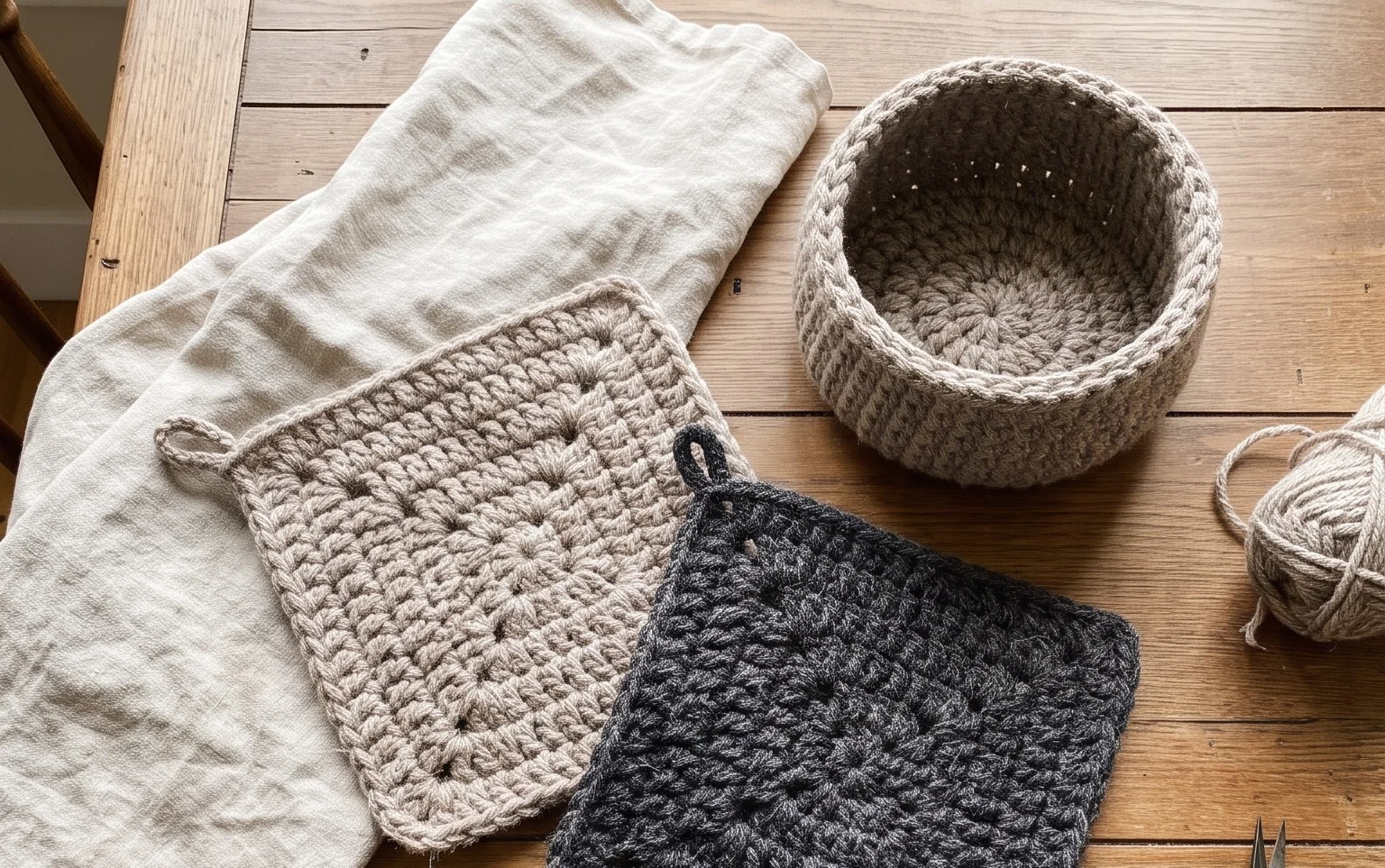
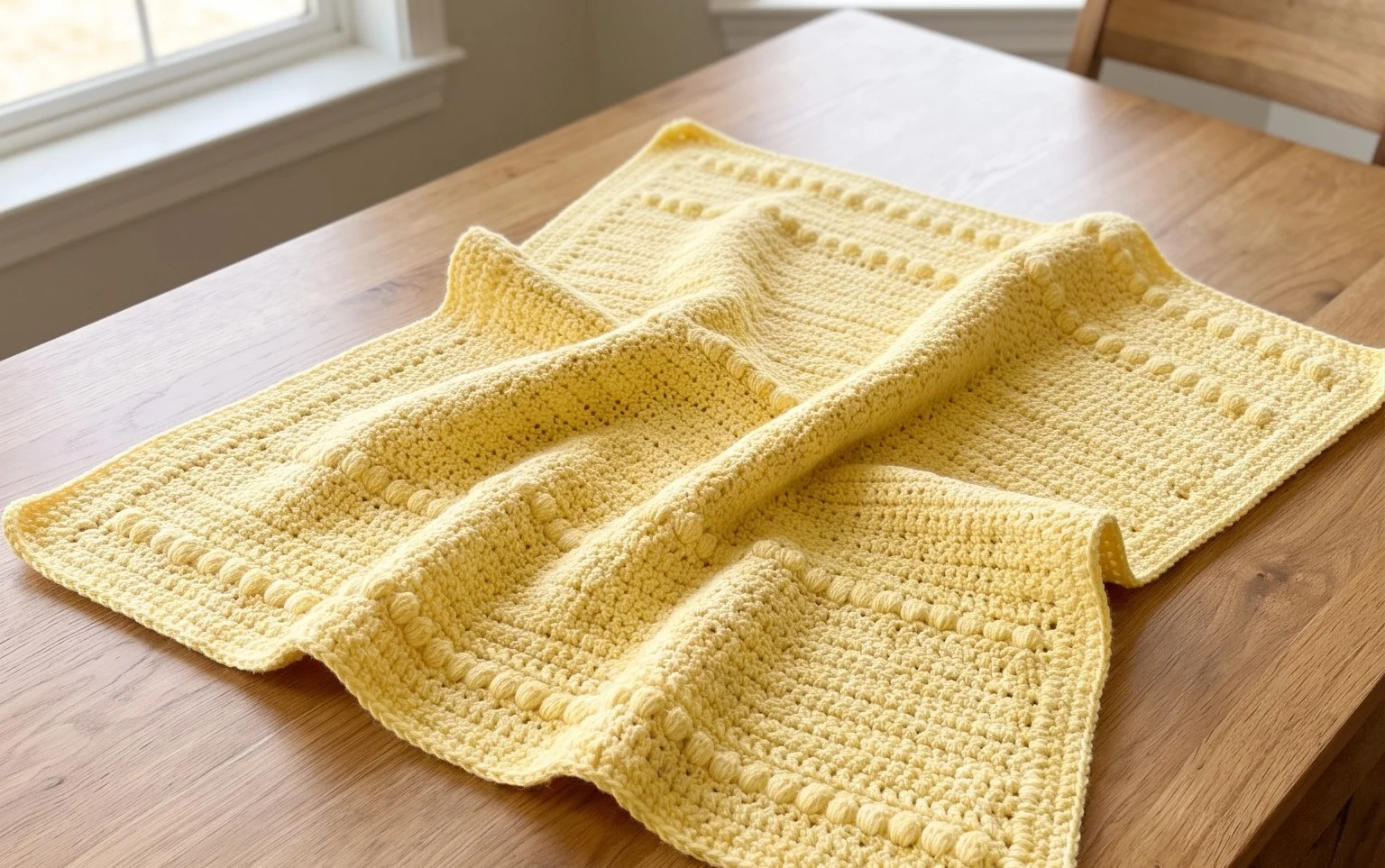
The Classic Crochet Cotton Dishcloth is a staple for every home kitchen because it creates a durable, scrubby texture that stands up to daily cleaning. Unlike synthetic sponges, this 100% cotton design is naturally absorbent and can be tossed directly into the washing machine when it needs a refresh. The stitch pattern relies on a simple repeating sequence of single and double crochets, making it an ideal choice for practicing consistent tension while listening to a podcast or watching television. Since the project requires less than one standard ball of yarn, it is a practical way to use up leftover cotton yarn from larger projects while creating a functional item that saves money on disposable paper towels.
I managed to whip up three of these in a single weekend. They hold up incredibly well even after repeated washes and stay soft enough to not scratch my non-stick pans.
— Sarah, home crafter
Pattern Overview & Skill Level
- Skill Level: Beginner
- Approximate Time: 60 to 90 minutes
- Construction: Worked in flat rows starting from a foundation chain
- Finished Dimensions & Sizing: Approximately 8 inches by 8 inches
Materials & Supplies Needed
- Yarn: Worsted weight (#4) 100% cotton yarn, approximately 75 yards.
- Hook Size: 5.0 mm (H-8).
- Notions: Tapestry needle for weaving in ends, pair of scissors.
- Safe yarn substitutions: You may use a cotton-linen blend for increased scrubbiness. Avoid acrylic yarn, as it lacks the absorbency required for a dishcloth. Using a lighter weight yarn will result in a smaller finished size unless you increase the starting chain count.
Stitch Guide & Abbreviations (US Terms)
- ch = chain
- sc = single crochet: Insert hook into stitch, yarn over, pull up a loop, yarn over, pull through both loops on hook.
- dc = double crochet: Yarn over, insert hook into stitch, yarn over, pull up a loop, yarn over, pull through two loops, yarn over, pull through remaining two loops.
- st(s) = stitch(es)
- turn = turn your work to begin the next row
Step-by-Step Pattern Instructions
The pattern is worked back and forth in rows. The turning chain does not count as a stitch.
- Row 1: Ch 30. Sc in the second ch from the hook and each ch across. (29 sts)
- Row 2: Ch 1, turn. Sc in the next st, dc in the next st. Repeat from * to * until 1 st remains. Sc in the final st. (29 sts)
- Row 3: Ch 1, turn. Dc in the next st, sc in the next st. Repeat from * to * until 1 st remains. Dc in the final st. (29 sts)
- Rows 4–30: Repeat Rows 2 and 3 until the piece forms a square shape.
- Finishing: Fasten off the yarn, leaving a 6-inch tail. Use the tapestry needle to weave the tail back and forth through the stitches on the back side of the work to secure it. Trim the excess yarn close to the fabric.
Care & Washing Instructions
- Machine wash in warm water on a gentle cycle to remove oils and food residue.
- Lay the dishcloth flat on a towel to air dry, reshaping it into a perfect square while damp.
- Do not bleach the cloth, as this will weaken the natural cotton fibers over time.
Pro Tips & Common Mistakes to Avoid
Maintain consistent tension throughout the project to ensure the edges remain straight. If you pull your yarn too tightly on the double crochet stitches, the cloth will lose its flexibility and become stiff. Use a stitch marker on the first stitch of every row if you find yourself losing track of the count; it is easy to accidentally skip the final stitch of a row, which will lead to a slanted edge. To adjust the size, simply add or subtract an even number of chains at the beginning, noting that a larger cloth will consume significantly more yarn. Weaving in your ends by traveling through the center of the stitches rather than across the surface prevents the yarn from coming loose during heavy-duty scrubbing.
Frequently Asked Questions
Can I use a different yarn weight for this dishcloth?
You can use a DK or Bulky weight yarn, but you will need to adjust your starting chain and row count to maintain the 8-inch square size. A lighter yarn will require more chains, while a heavier yarn will require fewer.
Why do the edges of my cloth look wavy?
Wavy edges usually occur if the tension is too loose or if you are accidentally adding extra stitches at the end of each row. Always count your stitches at the end of every row to ensure you maintain a constant count of 29.
Is this pattern suitable for someone who has never crocheted before?
Yes, this is an excellent first project because it focuses on the two most fundamental stitches in crochet. If you can keep your stitch count steady, you will have a perfect dishcloth by the end.
Am I allowed to sell the dishcloths I make from this pattern?
You may sell finished items made from this pattern, provided you credit the designer. Please do not redistribute the pattern text or use these specific photos for your own listings.
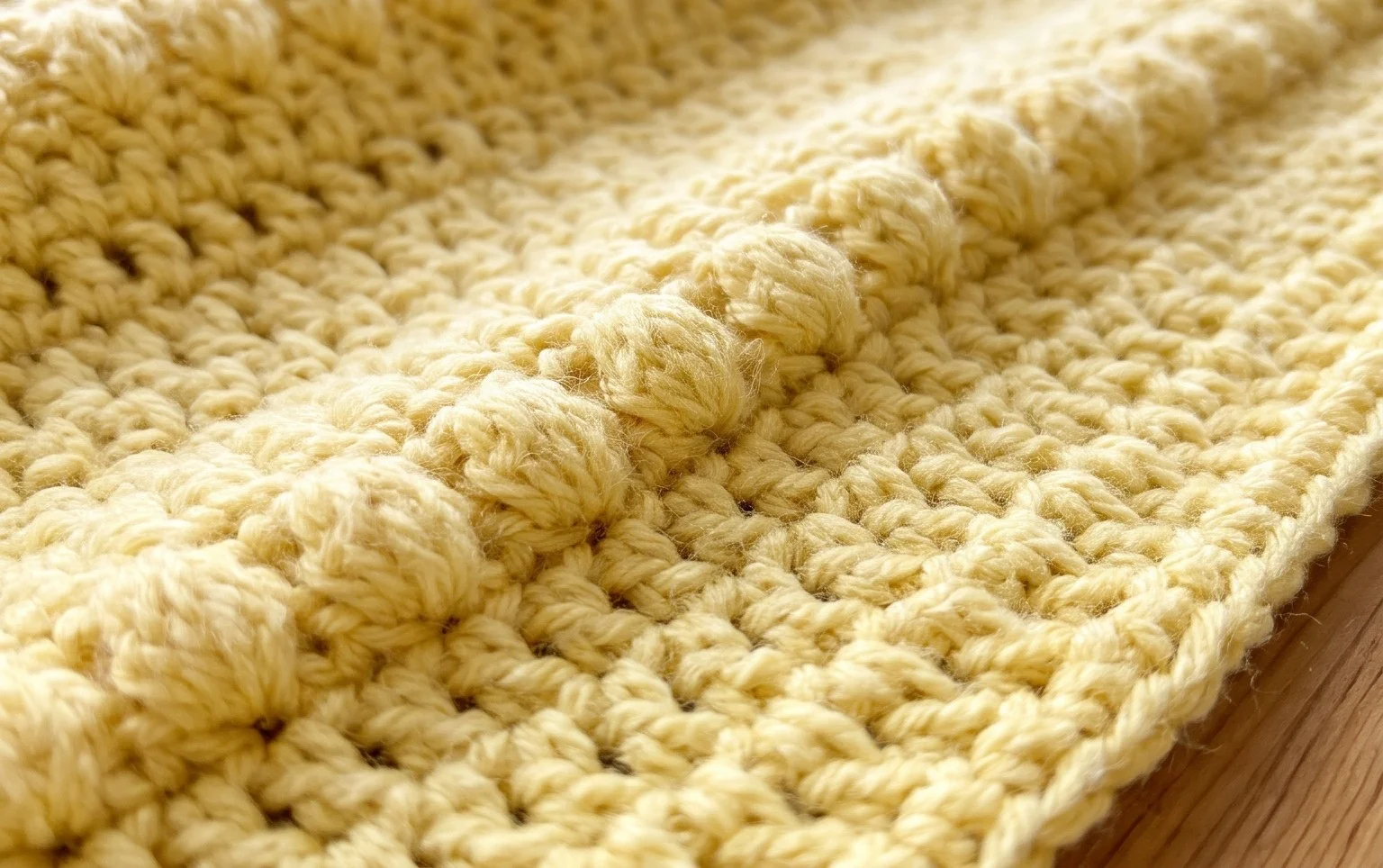
Your new handmade cloth works effectively to clean spills and scrub pots without leaving lint behind on your kitchen surfaces. You can change the final look by using two strands of yarn held together for a thicker, faster-working version that creates a larger mat for your heavy hot pans. Sharing a photo of your finished work helps others see how different color combinations change the overall style. Please visit the rest of the blog to see more patterns that use these same basic stitches for larger home projects.