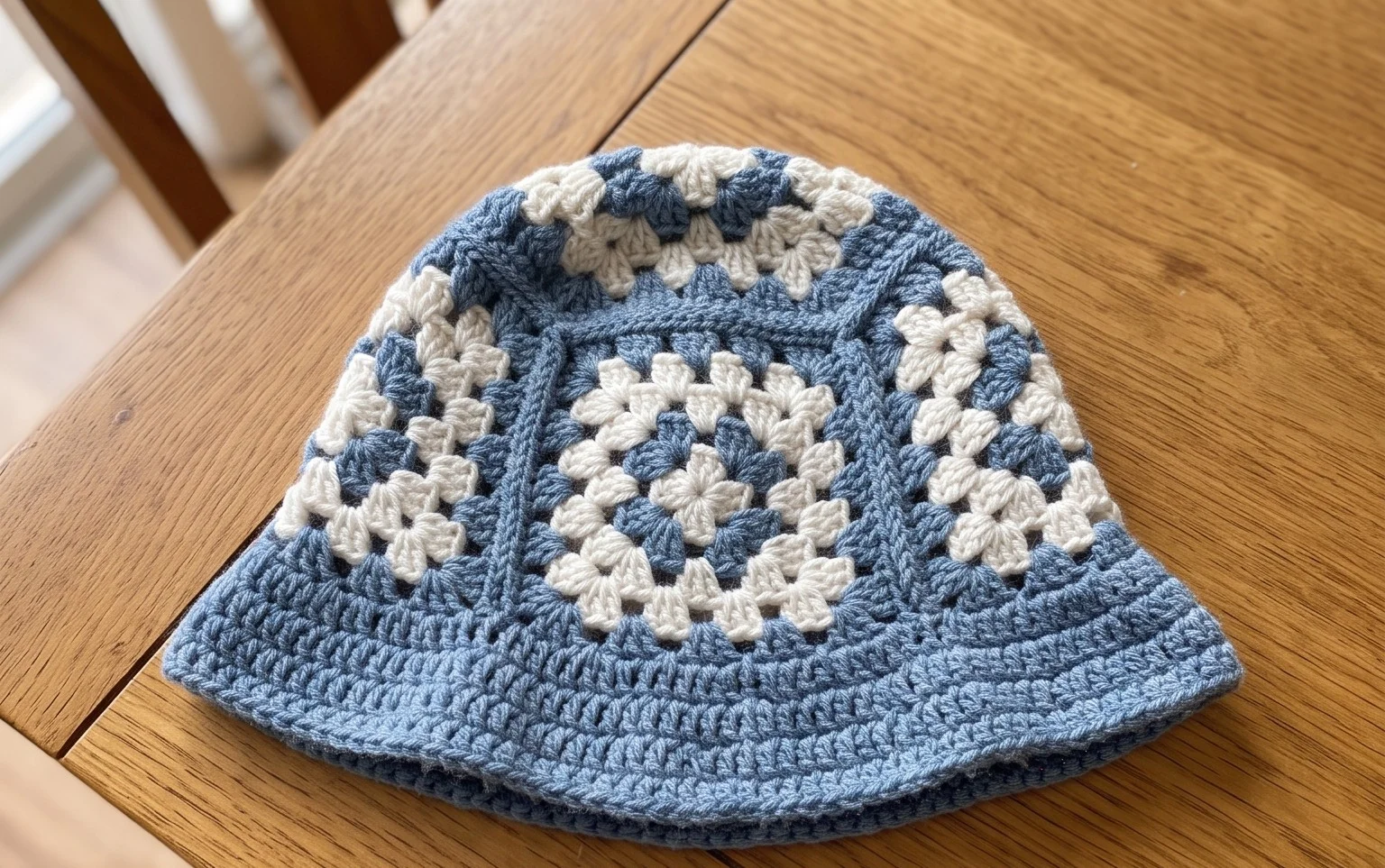
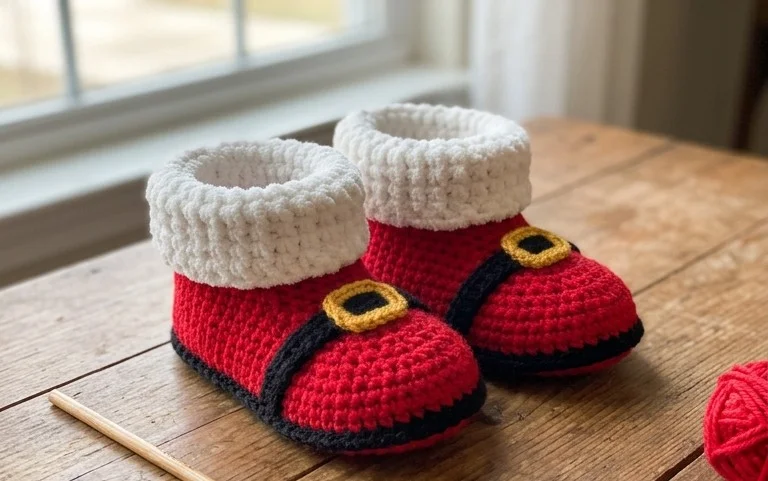
Free Holiday Party Crochet Quilt Pattern for Cozy Decor
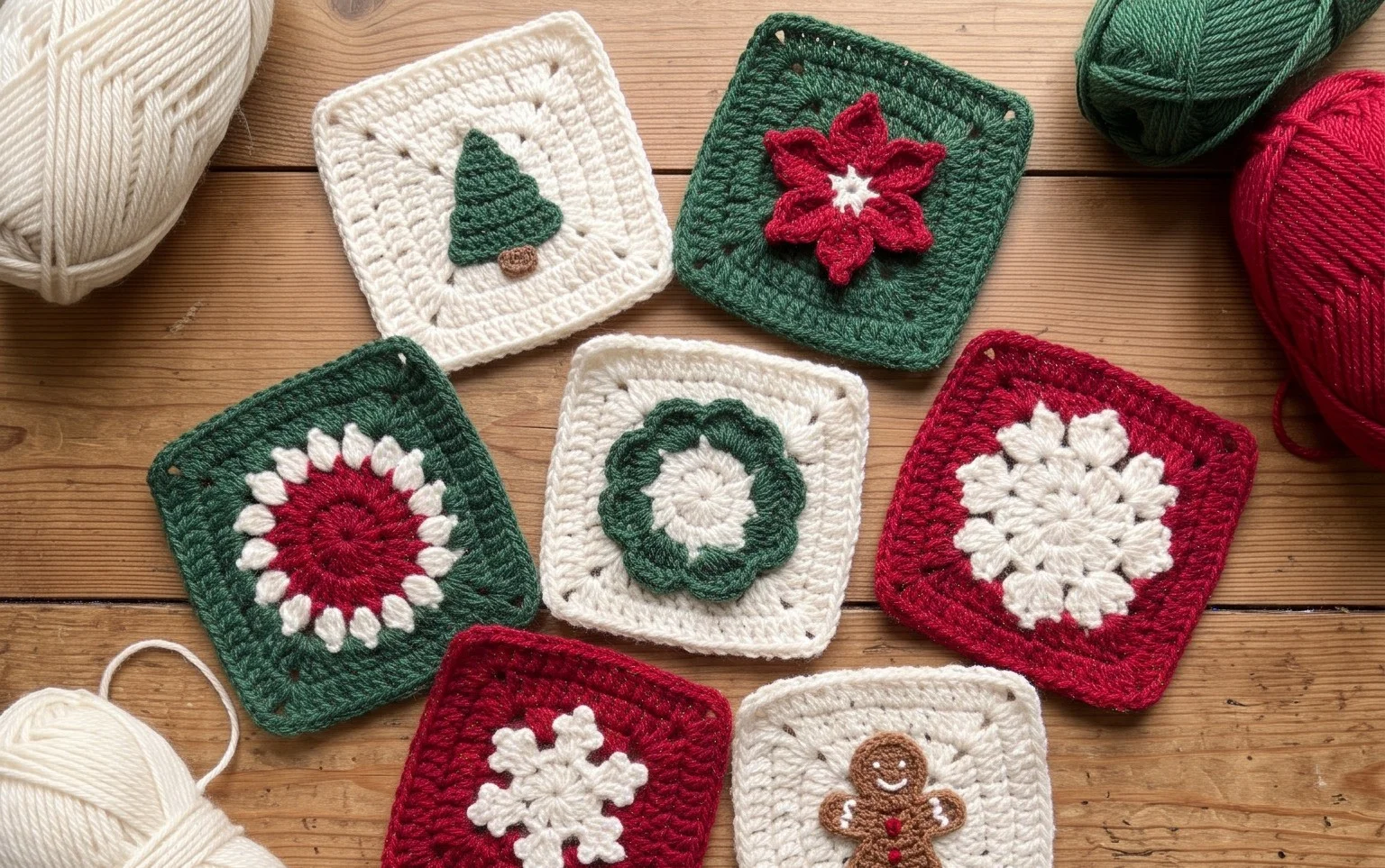
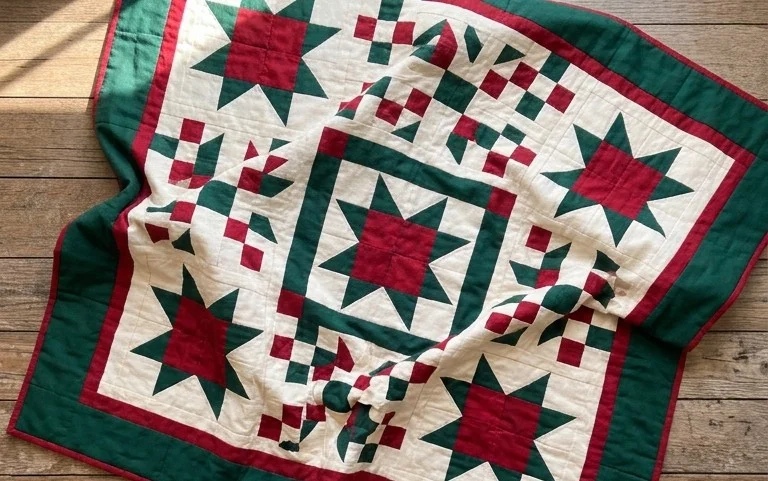
Rows of crochet squares in festive colors give this holiday quilt a cheerful, handmade look, while the joined fabric feels warm and comfortably textured. It suits crocheters who have worked a few projects already and want to practice keeping their stitches even, though a confident beginner can take it one square at a time. The moderate skill level comes from making several pieces and joining them neatly, rather than relying on complicated stitches. This is a satisfying project to work on through the season, with each finished square adding visible progress. You’ll learn how the pattern’s stitch texture forms the blocks and how to bring them together into a cozy quilt for a sofa, guest room, or holiday gift. The color choices can be classic red and green or a quieter mix that fits your home.
Why You’ll Love This Pattern
A cotton dishcloth with a lightly textured surface is useful at the sink, easy to wash, and small enough to finish over a weekend. This beginner-friendly pattern uses single crochet throughout, so you can focus on keeping your edges straight instead of learning several new stitches. The simple rectangle is also a practical way to use a partial skein of worsted-weight cotton.
The cloth is worked flat in rows, with a chain at the start of each row. That makes it easy to pause and pick up again, and the finished fabric has a firm, absorbent feel when made with cotton yarn.
The rows were easy to follow, and the cotton made a sturdy cloth that washed well after a week at the sink.
— Lena, home crocheter
Pattern Overview & Skill Level
- Skill Level: Beginner. You need to know how to chain and single crochet.
- Approximate Time: About 2–3 hours, depending on your pace and tension.
- Construction: A flat rectangle worked back and forth in single crochet rows, with no seaming or joining.
- Finished Dimensions & Sizing: Approximately 8 × 8 inches (20 × 20 cm) after washing and drying flat. Small differences in tension can change the final size.
Materials & Supplies Needed
- Yarn: About 75 yards (69 m) of worsted-weight cotton yarn, weight #4, in one color. Cotton is absorbent and tolerates frequent washing.
- Hook Size: 5.0 mm / H-8 crochet hook. Use the hook that gives you a dense fabric without making your hand uncomfortable.
- Notions: Tapestry needle for weaving in ends, scissors, and a ruler or tape measure for checking gauge.
- Substitutions: Choose another 100% cotton yarn of similar thickness. A thinner yarn or smaller hook will make a smaller, denser cloth; thicker yarn or a larger hook will make a larger, looser cloth and may use more yardage. Avoid acrylic if you want a cloth that absorbs water well.
Stitch Guide & Abbreviations (US Terms)
- ch: Chain.
- sc: Single crochet. Insert the hook into the stitch, yarn over and pull up a loop, yarn over again and draw through both loops.
- st: Stitch.
- sts: Stitches.
- sp: Space.
- rep: Repeat.
- RS: Right side, the face you choose to show.
- WS: Wrong side, the reverse face.
The turning chain does not count as a stitch in this pattern. Work the first single crochet into the first stitch of each row, not into the turning chain. This keeps the cloth edges even.
Step-by-Step Pattern Instructions
Before you begin, check the yarn label and make a small gauge swatch if you want to match the finished dimensions closely. The target gauge is about 15 single crochet stitches and 16 rows per 4 inches (10 cm), measured without stretching.
Dishcloth
- Foundation: With the 5.0 mm hook, ch 31. The chain-31 foundation gives you 30 stitches to work into.
- Row 1 (RS): Sc in the second ch from the hook and in each ch across. Turn. (30 sts)
- Row 2: Ch 1, sc in each st across. Turn. (30 sts)
- Rows 3–30: Rep Row 2, keeping the same count of 30 sc in every row. Turn after each row. (30 sts per row)
- Fasten off: After Row 30, cut the yarn, leaving a tail of about 6 inches (15 cm). Pull the tail through the last loop to secure it.
Finishing
Thread the yarn tail onto a tapestry needle. Weave it through several stitches on the wrong side, change direction, and pass through a few more stitches so it is less likely to work loose in the wash. Repeat with the starting tail. Trim the ends close to the fabric without cutting any stitches.
Lay the cloth flat and check that it is close to 8 inches square. If the edges curl, dampen the cloth and smooth it into shape. Let it dry fully before using it.
Care & Washing Instructions
- Wash cotton dishcloths in warm water, up to 40°C (104°F), with similar colors and a regular detergent.
- Dry flat or tumble dry on low; reshape the cloth while it is still damp.
- Block by smoothing the damp cloth to its finished measurements and letting it air-dry flat. Follow the yarn label if its care directions differ.
Pro Tips & Common Mistakes to Avoid
- Keep your tension even rather than pulling the working yarn tight. A very tight chain can make the bottom edge narrower, so chain loosely or use a hook one size larger for the foundation chain.
- Count the stitches at the end of each row. The turning chain does not count, and each row should finish with exactly 30 single crochets.
- Weave in both ends securely on the wrong side, changing direction at least once. A short end tucked through only one row may loosen after repeated washing.
- For a wider cloth, add chains to the foundation, then work one fewer single crochet than the total chain count. For a longer cloth, add rows. Both changes increase the yarn needed; make a small swatch first if you need to estimate yardage.
Frequently Asked Questions
Can I use a different yarn fiber?
Yes, but cotton is the best choice for an absorbent dishcloth. A cotton-linen blend can also work, though it may feel firmer. Acrylic is less absorbent and may not be as useful for wiping up spills. Check the yarn label before washing.
How can I make the dishcloth smaller or larger?
For a narrower cloth, start with fewer chains while keeping an even, usable width. For a larger cloth, add foundation chains and rows. The foundation chain should be one more than the number of single crochet stitches in Row 1, and each later row should keep that same stitch count.
Is this pattern suitable for a first crochet project?
Yes. It uses only chain and single crochet, and the row count stays the same throughout. Check the first and last stitch of every row, since missing one at either edge can make the rectangle gradually narrower.
May I sell dishcloths made from this pattern?
You may sell your finished work if the designer’s terms allow it. Check the pattern source for any restrictions, and write your own product description and photographs rather than copying the designer’s text or images.
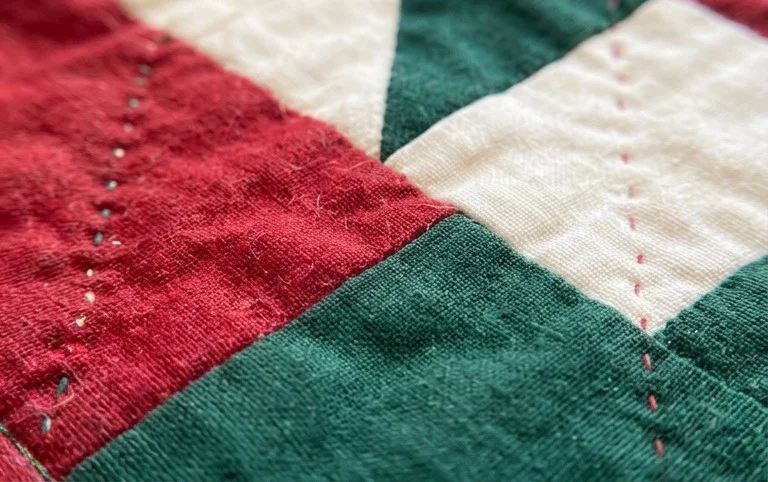
Once the last square is joined and the edges are finished, you’ll have a holiday quilt with a handmade texture and a look that can come out year after year. For a simple variation, choose cream and deep green instead of brighter seasonal colors, or make fewer squares for a smaller lap-size throw. Take a photo with the quilt folded over a chair or spread across the sofa, then share it on Pinterest or your favorite social channel. If you enjoyed working through this project, explore the blog for more free crochet patterns, including home pieces and gifts you can make at your own pace.