Cozy Days Daisy Cardigan: Free Crochet Pattern Part
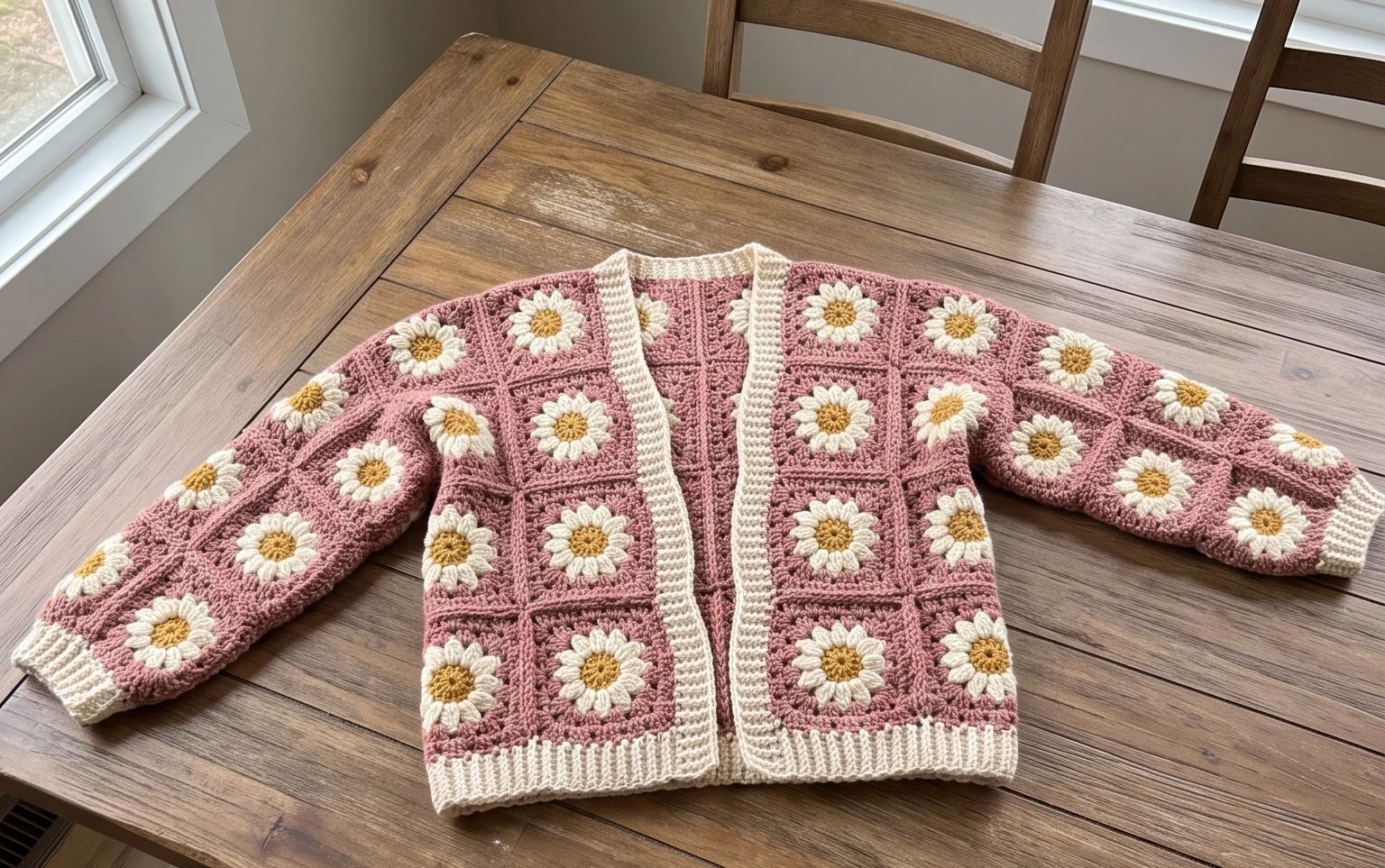
A soft layer of cotton draped over your shoulders makes morning coffee on the porch feel special. This sweater features a distinct daisy motif that builds rhythm into every row you work. It fits beginners who want to move beyond simple squares and creates a garment with a relaxed drape and heirloom quality. You will spend your time practicing how to maintain even tension while transitioning between solid stitches and the open floral pattern. The resulting fabric feels light against the skin, making it a reliable piece for unpredictable spring weather or cool summer nights spent outdoors.
Why You’ll Love This Pattern
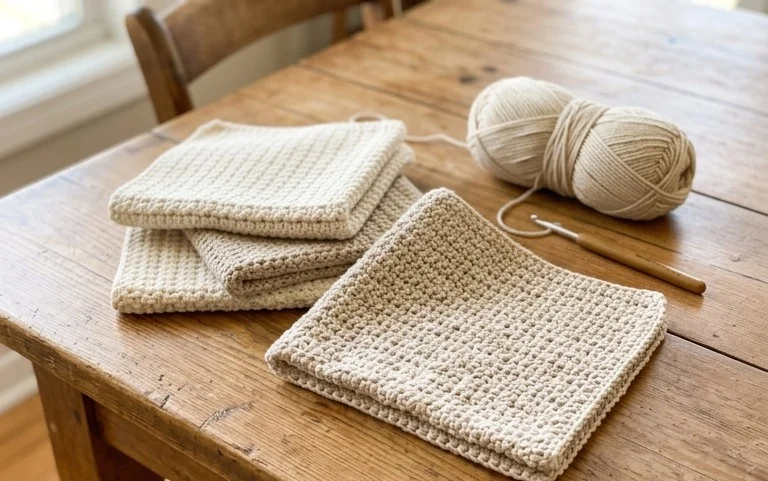
This classic crochet dishcloth is designed to be the ultimate functional scrap-yarn project. It works up in under an hour, making it an ideal choice for quick gift-giving or refreshing your kitchen essentials without a large time investment. The textured stitch pattern provides enough scrubbing power for tough pots and pans while remaining gentle on delicate glassware. Because it uses a simple, repetitive stitch sequence, it serves as a meditative project that requires minimal focus, perfect for crocheting while catching up on a show or audiobook.
I managed to finish three of these in one afternoon using leftover cotton yarn. The texture is much more effective for scrubbing than the store-bought versions I usually buy.
— Sarah, home crafter
Pattern Overview & Skill Level
- Skill Level: Beginner
- Approximate Time: 45–60 minutes per cloth
- Construction: Worked in flat rows using a simple border to finish
- Finished Dimensions: 8 inches by 8 inches
Materials & Supplies Needed
- Yarn: Worsted weight (#4) 100% cotton yarn, approximately 60 yards per dishcloth. Cotton is essential for its absorbency and heat resistance.
- Hook Size: 5.0 mm (US H-8) crochet hook.
- Notions: Tapestry needle for weaving in ends, scissors.
- Yarn Substitutions: You may use a cotton-acrylic blend, but note that it will be slightly less absorbent than 100% cotton. Avoid wool or synthetic fibers like acrylic for dishcloths, as they do not handle heat or moisture as effectively.
Stitch Guide & Abbreviations (US Terms)
- ch = chain
- sc = single crochet
- dc = double crochet
- st(s) = stitch(es)
- sl st = slip stitch
- sk = skip
- yo = yarn over
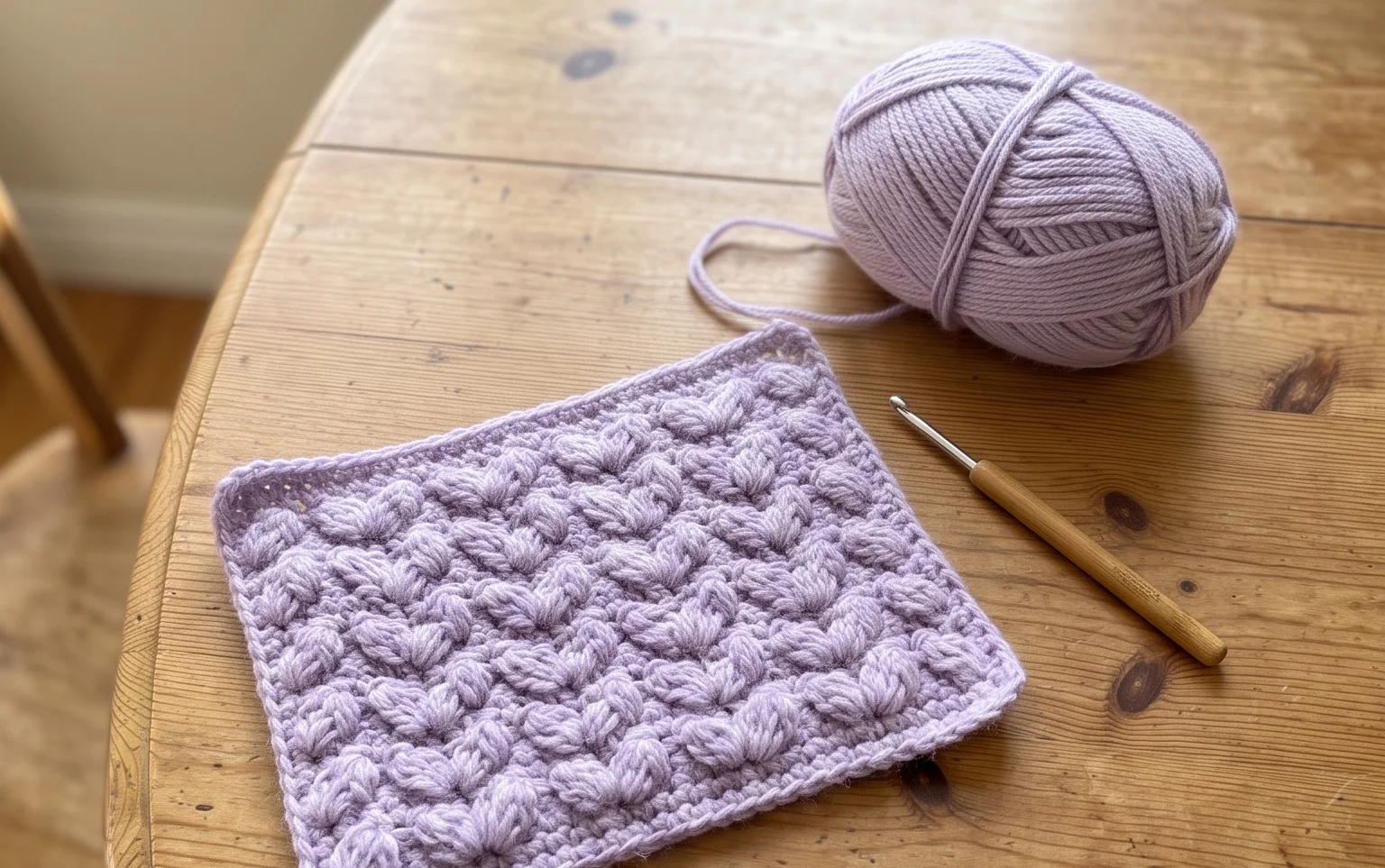
- Special Stitch: The “Seed Stitch” pattern consists of alternating sc and dc across the row, which creates a bumpy, scrubby texture.
Step-by-Step Pattern Instructions
Main Body
- Foundation: Ch 31.
- Row 1: Sc in the 2nd ch from hook, dc in the next ch, sc in the next ch, dc in the next ch repeat from * to * until the end of the row. (30 sts).
- Row 2: Ch 1, turn. Sc in the first dc of the previous row, dc in the next sc. Sc in the next dc, dc in the next sc repeat from * to * until the end of the row. (30 sts).
- Rows 3–28: Repeat Row 2 until the piece measures approximately 7.5 inches.
Border & Finishing
- Border: Do not fasten off after the final row. Ch 1, turn work to the side. Work sc evenly along the edge of the dishcloth, placing 3 sc in each corner to ensure the fabric lays flat. Continue sc around all four sides.
- Join: Sl st into the first sc of the border to close the round.
- Finishing: Fasten off, leaving a 6-inch tail. Weave in all loose ends securely using your tapestry needle.
Care & Washing Instructions
- Machine wash in warm water on a gentle cycle to preserve the texture.
- Tumble dry on low heat or lay flat on a towel to air dry to prevent shrinkage.
- Reshape the dishcloth while damp if it loses its square form during the wash.
Pro Tips & Common Mistakes to Avoid
Maintain consistent tension throughout the project, as tighter stitches create a better scrubbing surface while loose stitches may stretch out too quickly during use. Place a stitch marker in the first stitch of every row to ensure you do not accidentally lose a stitch or add an extra one at the turn. Weave your yarn ends in opposite directions for at least an inch to ensure they do not unravel after repeated washings. If you want a larger or smaller dishcloth, adjust your starting chain by an odd number, which will change the width without affecting the stitch pattern logic.
Frequently Asked Questions
Can I use a larger hook for this pattern?
Using a larger hook will make the fabric looser and less effective for scrubbing. Stick to the 5.0 mm hook for the best density.
Is this pattern suitable for complete beginners?
Yes, this is an excellent starter project because it only requires two basic stitches and involves no shaping or complicated joins.
Can I sell the dishcloths I make from this pattern?
You are welcome to sell finished items made from this pattern, provided you credit the designer and use your own original photographs.
Why does my dishcloth look like a trapezoid?
This usually happens if you miss the last stitch of a row or add an extra one by mistake. Always count your stitches at the end of each row to ensure you maintain exactly 30 stitches.
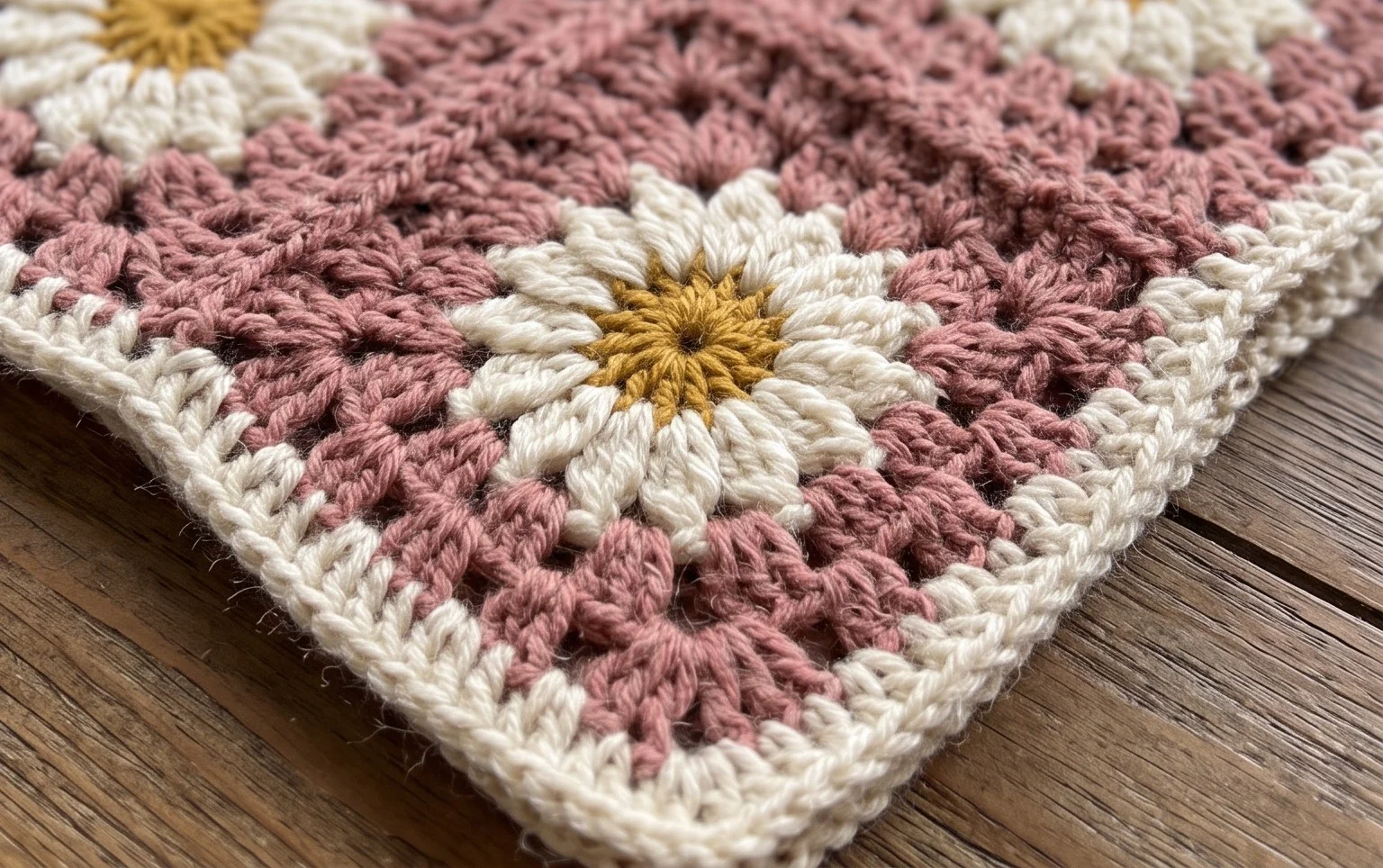
Your finished cardigan piece represents hours of quiet focus and a wearable item you can feel proud to own. If you want to change the aesthetic, try working the floral centers in a high-contrast yellow cotton or use a variegated yarn for the body to give it a modern look. Share a photo of your progress on social media to inspire others in the crafting community. You can find more free garment patterns in our archive to keep your needles busy throughout the season.